Testnet Airdrop Participation: A 5-Step Beginner Playbook
Five steps to participate in a testnet airdrop: understand the testnet, find a live project, prep wallet and faucet, run quality interactions, evaluate risk. This isn’t a think piece — it’s a checklist you can execute today. Read the airdrop primer for context first, and by the end you’ll see why testnet farming is the best risk-reward seat in the airdrop game.
Step 1: What a testnet actually is
A testnet is the sandbox stage before a mainnet launch. Before a project mints real tokens and ships to mainnet, it needs time for users, devs and auditors to stress the product without real money on the line. Testnet tokens carry no value — they’re “play money” you claim from a faucet.
Why does this dovetail with airdrops? Because projects need data — they need to know the product works in real hands, holds up under load, and has no overlooked holes. Users who put real time on the testnet often get prioritized in the mainnet airdrop. Aptos, Sui, StarkNet, zkSync and Scroll have all rewarded early testnet activity to varying degrees.
(/uploads/20260529/1780061345837-46353.png)
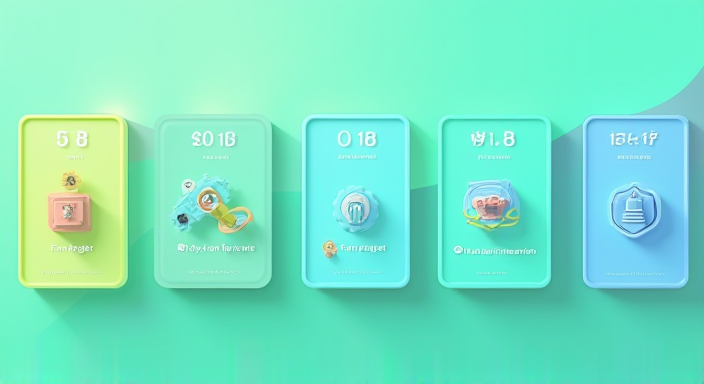
That said, testnet airdrop returns are far from guaranteed. You can spend a week on careful interactions and watch the project announce “no testnet allocation” — that has happened more than once in the last two years. The right framing is “cheap optionality,” not “free money.”
Step 2: Finding live projects
Picking the right project is half the battle; the wrong one is a time sink. Four common channels:
- Official channels: project Twitter, Discord, blog. First-hand and authoritative. Infrastructure plays (L1, L2, ZK, bridges) tend to have long testnets, broad user bases, and higher odds of issuing tokens.
- Aggregators: Galxe, Layer3, QuestN list active quests. Check the project behind each one — VC roster, raise size, team background. The fuller the picture, the more your time is worth.
- Community intel: Telegram and group-chat “farming guides” are fastest but noisy, and low-quality influencers can drag you into phishing traps.
- Industry media: CoinDesk, The Block, Messari reports help you pick the broader narratives to front-run.
Filter with three questions — does it have credible VC backing? how long will the testnet run? does the product have real use beyond farming? Three yes’s earn a slot in your rotation; three no’s get skipped.
Step 3: Wallet and faucet — the toolkit
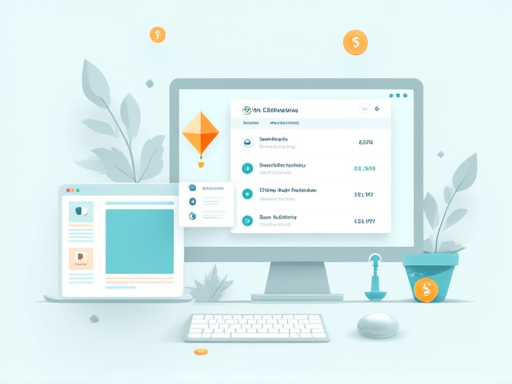
Basic, frequently neglected.
Wallet: MetaMask, Rabby, OKX Web3 — any of them works. Download from the official site only and write the seed phrase down offline. If you plan to farm several testnets, add each as a separate network inside one wallet — don’t spin up dozens of fresh wallets in the name of “safety.” Multiple empty wallets are themselves a sybil fingerprint. Reference the wallet guide for the basics.
Faucet: testnet tokens are the fuel for interactions. Three sources:
- Official faucets: Sepolia, Holesky, Base Sepolia, etc. Daily caps, usually gated by GitHub or social account to prevent abuse.
- Infra-provider faucets: Alchemy, Infura, QuickNode — looser caps but require an account.
- Community faucets: hit-or-miss, not a primary source for beginners.
The most common pain point is “limit reached” on popular networks at peak hours. Multiple backup sources and off-peak claims is the experience to internalize.
Step 4: Rules for quality interactions
This step is what actually decides the size of your share. Aligned with the anti-sybil framework (see the sybil attack breakdown), quality interaction means “looking like a real user of the product”, not “ticking the minimum task list.”
Executable rules:
- Cover the core surface: if the project has swap, bridge, lending, NFT, voting — use each at least 2–3 times.
- Stretch the timeline: don’t blitz everything in one day. Spread interactions over 2–4 weeks, mimicking real usage cadence.
- Realistic amounts: testnet tokens are free, but randomize size. Never the same 0.1 ETH or 1 USDC every time.
- Leave failure traces: an occasional gas-out or failed approve is more authentic than a 100% success rate.
- Multi-touch: chat in Discord, file an issue, attend an AMA — these off-chain traces serve as corroborating evidence.
- Bind a social identity: link ENS, Lens, or Farcaster if you can — anti-sybil bonus points.
(/uploads/20260529/1780061381089-33509.png)
Step 5: Risks and common pitfalls
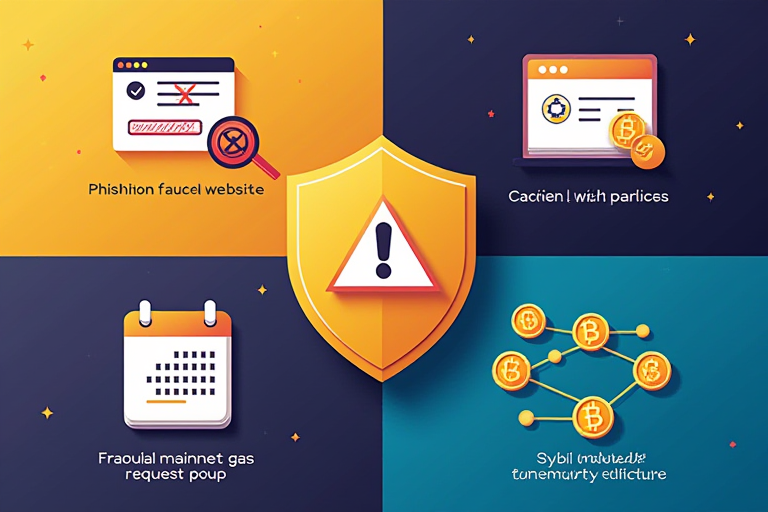
Testnet looks “zero cost” but carries real traps:
Phishing faucets — fake faucet sites that drain your mainnet assets the moment you connect. Every faucet through official channels, never click random group-chat links.
Fake mainnet asks — scams that impersonate “testnet-stage mainnet gas proof” requests. Real testnet tasks never ask for your mainnet money.
Time imbalance — don’t pile all effort into one or two testnets. Run 3–5 in parallel, 2–3 hours per testnet per week, so a single dud doesn’t cost you a quarter. The airdrop eligibility strategy is a useful extension on allocation.
Forgetting to claim — airdrops have claim windows, miss it and tokens are forfeit. Follow the project’s Twitter, set reminders.
Gas warfare — on mainnet claim day, gas can spike to absurd levels. Pre-fund a tiny stash of mainnet native token so you’re not stranded at the moment of truth.
Testnet work is the floor under every airdrop
Back to the first line — five steps. Testnets are how projects recruit real users and how regular users meet a project earliest. They won’t make you rich overnight, but they offer the best ratio of cost to optionality, the lowest barrier, and the most repeatable path anywhere in the airdrop ecosystem. Treat them as a practice gym for on-chain tools and treat any payout as a bonus — and no single null result will break you, no future drop will leave you out of position. Not investment advice.