You Use Ethereum Daily But Don't Really Understand It — A Minimum Viable Primer
Lots of people use Ethereum every day — sending, signing, paying gas — but couldn't explain what it actually is. This piece gives a "minimum but sufficient" version: the smallest set of fundamentals a daily user needs, covering account and wallet structure, what gas is really paying for, why Layer 2 isn't a different Ethereum, and the most common ways daily users lose money.

Kraken, Sony, Uniswap All Launched Their Own L2: What Does the Enterprise Rollup Wave Actually Mean?
In under a year Kraken launched INK, Sony launched Soneium, and Uniswap launched UniChain. Self-built L2s went from a crypto-native curiosity to a default move for both legacy companies and application giants. Here is why, how they build them, and what it means for mainnet and you.
Ethereum's Fusaka Upgrade Roadmap: Which EIPs Will Actually Change How You Use the Chain?
A year after Pectra, Ethereum's next hard fork is Fusaka. It bundles PeerDAS, EOF, state expiry, the 7702 permission upgrade, and several more EIPs aimed at making L1 cheaper, L2 smoother, and accounts safer. Here is what each one means.

Ethereum vs Solana in 2026: Which Chain Actually Wins When You Only Look at the Data?
Put the tribal arguments aside and only look at the May 2026 numbers: TPS, active users, fees, onchain revenue, MEV, application stickiness. Six dimensions, two chains, here is who actually wins each.
Ethereum Liquid Staking Derivatives in 2026: Real Numbers, Real Yields, and the New Risks Most Users Miss
Lido's dominance is finally cracking, Rocket Pool went institutional, Frax adapted its stablecoin design to LSDs, and restaking is layering new risk on top of all of them. Here is what the LSD market really looks like in May 2026, how yields actually break down, and the three risk categories that did not exist three years ago.

EIP-7702 One Year In: Should Regular Users Actually Upgrade Their Wallets Now?
EIP-7702 went live with Pectra in May 2025. Twelve months later, over 14 million EOAs have signed a 7702 delegation, but most users still cannot explain what they signed. Here is what 7702 was actually used for in its first year, what went wrong, and whether you should upgrade today.
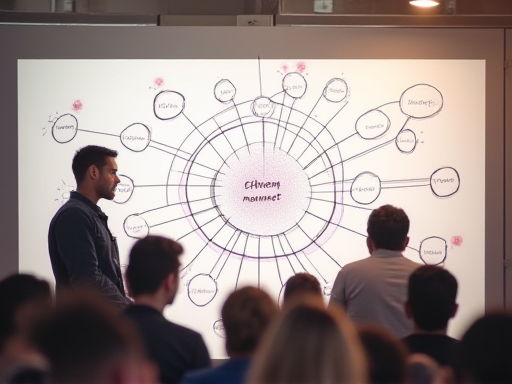
What Is Ethereum's Interop Layer and Why People Say It Makes L2s Feel Like One Chain
The Ethereum Foundation's Interop Layer testnet is rolling out in 2026, aiming to stitch mainnet and every Ethereum L2 back into a single chain. Here is what it actually solves, how the three-layer stack works, and why it may matter more than Pectra did.

Ethereum Gas Optimization Tips: Practical Ways to Save on Fees
The same operation on Ethereum sometimes costs 5 dollars and sometimes costs 100. This article breaks down what makes up gas, the practical tricks that actually save money, and the phishing traps that pretend to help you save.
What Is the Pectra Upgrade? Ethereum's Big 2025 Hard Fork Explained
On 7 May 2025 Ethereum activated Pectra, the first major upgrade since Dencun. It merged execution-layer Prague with consensus-layer Electra and shipped blob scaling, a higher validator cap, and EOA account abstraction.

What Is EIP-4844? Ethereum's Cheap-Fee Scaling Milestone
EIP-4844 introduces blob transactions and slashes L2 data costs by 10–100x. What is Proto-Danksharding, how do blobs differ from calldata, and how did the upgrade reshape rollup economics?

What Is Ethereum? Smart Contracts, Gas, and Scaling Explained
Ethereum isn't just a coin—it's a global computer that runs smart contracts. Here's a clear look at contracts, gas fees, and the rollup-centric scaling roadmap.