
Are NFTs Really Shifting from Collectibles to Utility in 2026? Data and Cases
The biggest claim circulating in 2026's NFT space is "the shift from collectibles to utility." Does the data back it up? Are collectible NFTs really fading? What do utility NFTs look like and what do they actually give holders? A data-plus-case breakdown.

NFTs Putting Watches, Wine and Land On-Chain: Real 2026 Cases and How They Work
Tokenizing watches, wine, and real estate as NFTs has moved from concept to actual 2026 delivery. We dissect three flagship physical-RWA cases: Rolex bonded-vault tokens, Bordeaux wine fractional shares, and Kenyan land-title NFTs.

How Do You Actually Report NFT Taxes? What an Ordinary Holder Has to Do
NFT taxation moved out of gray-area status in 2024–2026. The major jurisdictions now have explicit rules—the US IRS treats NFTs as taxable assets (with some classed as "collectibles"), the EU released NFT-specific guidance alongside MiCA, and several Asian markets sharpened their rules. This article walks an ordinary holder through the four scenarios you actually encounter—buy, sell, airdrop received, royalty earned—and lays out a workable bookkeeping framework.

What Is an AI Identity NFT? On-Chain Identity Beyond Soulbound
AI agents act independently on-chain more often in 2026. They need "identity" — which is exactly what AI identity NFTs aim to solve. How do they relate to Soulbound NFTs? Why can't a regular wallet do the job? A systematic explainer.

On-Chain Game Item NFT Economics in 2026: How Pixels, Big Time, and Off The Grid Survived
Game item NFTs went through Axie's Ponzi crash and STEPN's collapse. By 2026, three products finally cracked a healthy model. This article dissects Pixels, Big Time, and Off The Grid — how on-chain game item NFTs actually survived.
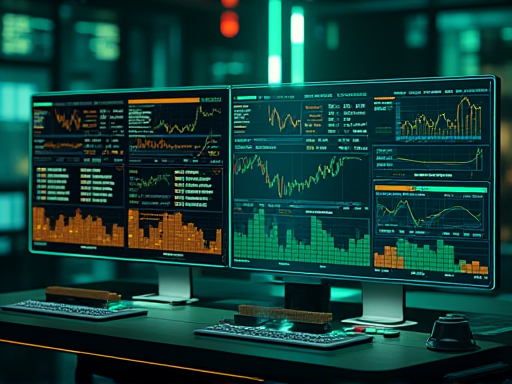
Blur vs. Magic Eden: Which Is Actually Better for Regular Users in 2026?
Blur targets pro traders, Magic Eden goes multichain. In 2026 the two split most of the non-OpenSea market. How does a regular user choose? A full comparison across fees, liquidity, airdrops, UX, and risk.

Will OpenSea's SEA Token Reshape the NFT Market? A Deep Read of the Q1 2026 Launch
OpenSea finally launches SEA token in Q1 2026, with 50% set aside for the community. Will it restart the marketplace fee war? Will it change the NFT market structure? How much can long-time users actually claim? A clear walkthrough of mechanics, incentives and consequences.
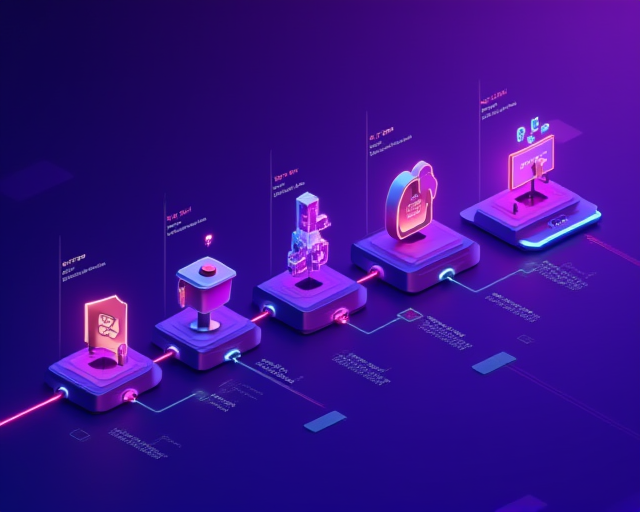
How to Mint an NFT: The Full Flow From File to Marketplace
Want to mint your own NFT but don't know where to start? Here's the full 5-step flow — file prep, choosing a chain, picking a marketplace, minting and listing, plus gas and selling tactics.

Blue-Chip NFTs: BAYC, CryptoPunks, Azuki, Pudgy Penguins and What Holds Their Value
A single CryptoPunk sold for $23.7M in 2021 — blue-chip NFTs have lived through frenzy and winter. Here's a tour of BAYC, Punks, Azuki, Pudgy Penguins and what really backs their value.
What Is GameFi? The Logic of Play-to-Earn, Its Rise and Fall, and the Risks
From overnight fame to collective collapse, the Play-to-Earn story explains GameFi's logic and its fatal flaw. How does it work, why did most go to zero, and where is its future?
What Is an NFT? Are You Buying Ownership or Just a Picture?
Clarify what NFT "ownership" really means, and see past the hype to the use cases it genuinely fits—and the risks involved.