
If I Stake My ETH, What Risks Am I Actually Taking On?
ETH staking looks like "3–5% annualized low-risk passive yield" on the surface, but the real risk footprint is far more complex than "could I lose a sliver of principal?" Slashing, withdrawal queues, LST depegs, restaking layering, and smart-contract failure are all different categories of exposure. This article lines them up on the same chart by real probability and loss magnitude so you can see what you're actually staking on.

Is Restaking Really Risk-Free? Real 2026 Cases
For two years restaking was sold as "stacked yield with no extra risk". 2026 served the bill. This piece skips the theory and walks through three concrete event types — a slash, an LRT depeg, and an Operator incident — with rough loss estimates a normal restaker can map onto their own position.

How Often Has stETH Depegged, and Why?
stETH is not a stablecoin, but the market treats it as a 1-ETH substitute most of the time. This piece walks through every notable stETH depeg since launch and lines up price, depth and arbitrage path on the same chart, so the "peg" actually makes sense.
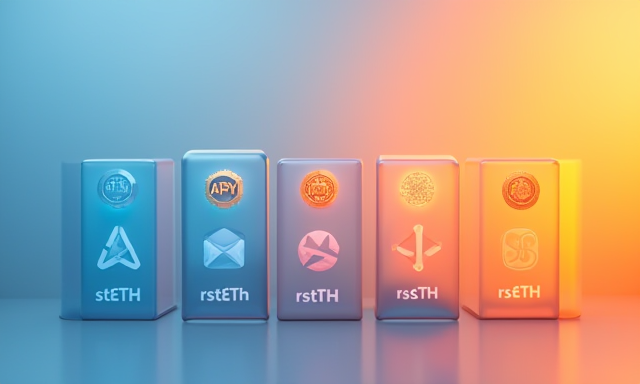
LSTs vs Restaking in 2026 — Which Actually Yields More? stETH, rstETH, eETH, rsETH Compared
A side-by-side breakdown of the four headline yield tokens in 2026 — stETH, rstETH, eETH, rsETH — across base staking, incentive layers, and AVS slashing exposure, so you understand what a "7% APY" actually means.
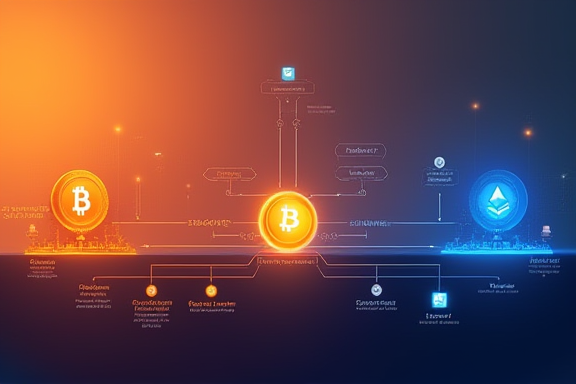
Babylon vs EigenLayer — How BTC Restaking and ETH Restaking Actually Differ
A five-layer breakdown of Babylon's BTC restaking and EigenLayer's ETH restaking — asset mechanics, who rents the security, how slashing happens, incentive token roles, and reverse impact on the base chain.

Solo Staking vs Pooled Staking in 2026 — 32 ETH Validator vs Lido / Rocket Pool, Compared
A five-axis 2026 comparison of running your own 32 ETH validator versus depositing into Lido or Rocket Pool — covering upfront cost, yield, ops burden, slashing risk, and exit flexibility with real numbers.

EigenLayer AVS in 2026: How Are They Actually Doing?
AVS moved from a story in 2024 to a real line of business by 2026. This piece walks through which AVS are paid by customers, which are still burning EIGEN subsidies, and how a normal restaker should read the bill today.

What Is Liquid Staking (LSD)? How stETH Works and Why It Differs from Native Staking
Staking means locking up your tokens — yet liquid staking lets the same asset keep moving. This article unpacks what LSDs actually are, how stETH and rETH differ, what LSDfi looks like, and the depeg and unbonding risks people keep overlooking.

Lido vs Rocket Pool: How the Two Big Ethereum Staking Protocols Really Differ
Lido holds roughly 30% of all staked ETH while Rocket Pool sits around 5%. Their names get paired up but their mechanics are two different philosophies. This piece breaks down node structure, security model, DAO governance and the centralization worry.

Staking and Liquidity Mining: Where Does Crypto Yield Come From
How do staking, liquidity mining, and restaking actually make money? A clear look at the sources of crypto "yield," the truth about APY, and the risks.

What Is Restaking? The Yield and Risks of EigenLayer and LRTs
Restaking re-rents staked ETH's security to earn extra yield — but it stacks risk as well as reward. Here's how EigenLayer, LSTs and LRTs work, where the yield comes from, the points/airdrop expectations, and the systemic risks.