What Does It Mean That OKX Opened PI Trading for US Users? A Signal Read for 2026 Compliance Expansion
In May 2026 OKX announced that its US subsite would open PI Network spot trading for locally KYC'd users. This article unpacks the compliance meaning of the listing, whether PI itself is worth touching, and what it signals about the wider "US KYC-ification" trend across exchanges this year.
How to Join Exchange Market Making Programs in 2026? A Full Guide to Backpack dYdX and Hyperliquid Rewards
Through 2026 Backpack, dYdX, and Hyperliquid all use "maker rewards plus vault models" to attract liquidity providers. This guide walks the mechanism differences, entry conditions, return structure, and real risks across the three venues so an intermediate trader has an actionable playbook.
What Is Coinbase Asset Hub? The 2026 Business Map and Transformation Path
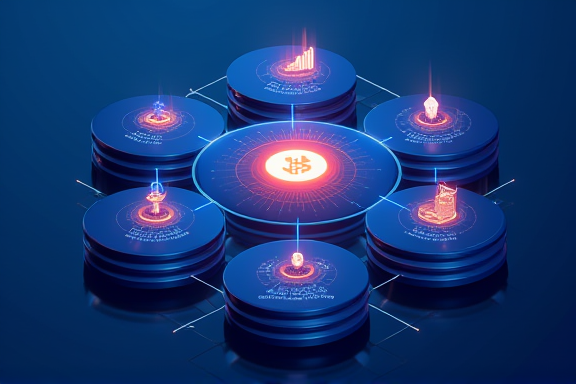
In 2026 Coinbase is no longer a "crypto exchange" but is rebuilding itself into a full-asset platform spanning spot, perpetuals, custody, the Base chain, tokenized stocks, crypto-backed mortgages, and AI trading agents. This article walks through the six pillars under the Asset Hub umbrella to show what Coinbase is actually trying to become.

How Long Does a Crypto Withdrawal to a Bank Card Actually Take? Common Choke Points
Converting crypto into fiat and getting it onto a bank card in 2026 isn't actually slowed by the exchange itself — the real bottleneck sits across three segments: exchange to fiat balance, fiat balance to payment rail, payment rail to bank. This piece breaks the journey into those three segments, gives realistic time ranges and common stalls, and lists the few preparations that compress total time from days to hours.

Is the 41% Average Pump After Binance Listing Real? A 2026 Data Recap
A widely shared claim in 2026 says tokens pump 41% on average after a Binance spot listing. Using the full Q1 2026 sample of 28 newly listed tokens, this article unpacks where that number comes from, which sub-segments inflate the mean, and why most retail buyers still lose money chasing listings.
How Much of Crypto Volume Goes Through DEX in 2026? Spot and Perpetual Shares With the Hyperliquid Inflection
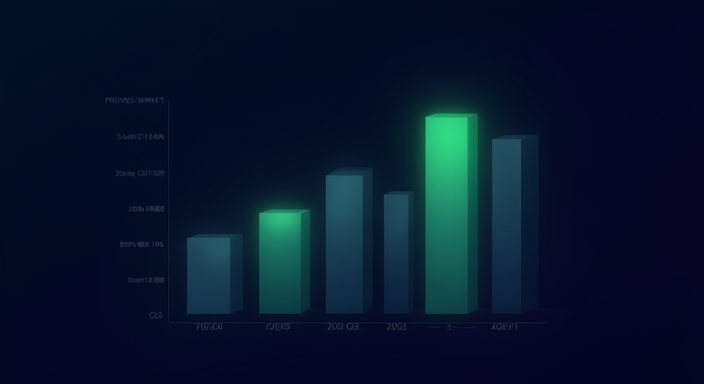
As of Q2 2026, DEX captures roughly 18% of spot volume and 31% of perpetual volume in crypto, both more than doubled from 2023 levels. This article uses three data curves to show how Hyperliquid pushed onchain perpetuals through the 30% threshold and how much further DEX share can erode CEX dominance.
Is Backpack Exchange Actually Good? A Full 2026 Review of Options, Liquidity, and Risk
Backpack grew from a Solana wallet into a full CEX through 2025 and is now treated by many professional traders as a lighter alternative to Deribit. This review walks UI, options, spot liquidity, compliance, and risk so you can decide whether the account is worth opening for your trading style.

What Is Launchpool? A Beginner's Guide to New Token Mining
Stake what you already hold, earn newly launched tokens — that is Launchpool. This article separates it from IEO and ICO, compares the leading exchange variants, gives real yield figures, and walks through the mechanics.

Binance vs Coinbase vs OKX: Comparing the Top Exchanges
Binance holds roughly 40% of BTC spot volume, Coinbase about 15%, OKX about 10%. Three top exchanges, three very different paths. This article opens up their background, products, security history, fees, and ideal user.
What Is a Perpetual DEX? On-Chain Perps vs. Centralized Exchange Futures
A perpetual DEX lets you trade perpetual futures straight from a self-custody wallet. Here's how it differs from centralized-exchange futures, its two models, upsides and risks.

What's the Difference Between Centralized and Decentralized Exchanges? Understanding CEX vs. DEX
Understand the differences in operation, custody, and risk between centralized exchanges (CEX) and decentralized exchanges (DEX), and become a clearer-headed user.