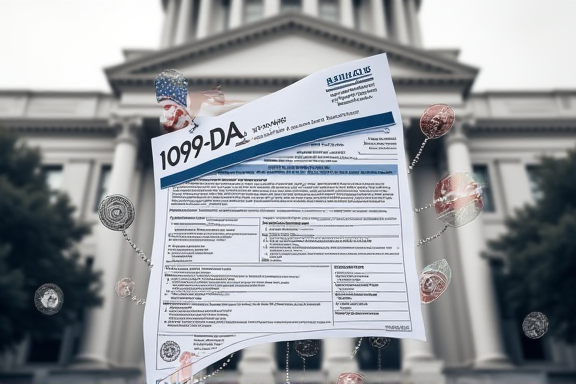
How to Read the IRS DeFi Tax Rules for 2026: 1099-DA, Broker Definitions and Filing Reality
The US Treasury and IRS broker rule brings Form 1099-DA into full effect from tax year 2026 and pulls DeFi front ends into the broker definition. This guide breaks down what 1099-DA reports, where the broker line is drawn, the transitional carve-outs, the individual filing impact, and what cross-border users should do.

Korea Crypto Regulation in 2026: One-Account-One-Exchange, KYC Upgrades and New Fiat Rules
With the Virtual Asset User Protection Act in force and the five fiat-licensed exchanges still in place into 2026, this guide maps the latest moves in Korean crypto regulation — real-name accounts, KYC upgrades, fiat on-ramp limits, the new corporate-account opening, and where stablecoins and spot ETFs sit.

Hong Kong VASP Licence in 2026: Approval Rate, Requirements and the Real Operators
Hong Kong's mandatory VASP licensing regime took effect on 1 June 2023 and by May 2026 it has been live for nearly three years. This piece counts the licensed venues, the rejected applications, the real approval rate and the operating numbers of HashKey and OSL to show where the Hong Kong VASP licence really stands in 2026.

After One Year of MiCA, Where Is Enforcement Actually At in 2026?
MiCA came fully into force on 30 December 2024 and by May 2026 it has been running for seventeen months. This article counts the CASP licences granted, the stablecoins delisted, the enforcement actions issued, and the ESMA guidance published to map where MiCA stands between paper rules and real practice.
Which Countries Run the Strictest Crypto Regulation — and Does It Actually Affect Ordinary Users?
Attitudes to crypto vary wildly across countries — from outright ban to full licensing. Several markets clearly sit at the strict end. This piece compares them across four axes — prohibition, taxation, KYC, fiat rails — and then talks separately about how those policies actually change daily life for a retail user.
What Is the US Clarity Act? A New Framework for Stablecoin Regulation
The US Clarity Act, advancing through Congress in 2026, tries to settle the long-running question of which agency oversees which token, and lays out new rules for stablecoin issuer qualification, asset classification, and SEC versus CFTC jurisdiction. This article walks through the law's core structure, its real impact on USDC, USDT, and XRP, and how it compares to the EU's MiCA.

How the U.S. SEC Views Crypto: A Decade of Shifting Stance
From the 2017 DAO Report to the 2024 approval of spot Bitcoin ETFs, the U.S. SEC's stance on crypto has shifted across a full decade. This guide walks the timeline, the core dispute, the key cases, and where things are heading.

China's Crypto Regulation Timeline: From 2013 Risk Notice to 2024 Hong Kong Licensing
From the PBoC risk notice in 2013, to the 2021 blanket ban on mining and trading, to Hong Kong's licensing regime in 2024—a walk through ten-plus years of mainland China's crypto policy and the logic behind it.

Hong Kong Crypto License Explained: The VATP Regime in Detail
As of early 2025 Hong Kong had issued roughly ten Virtual Asset Trading Platform licenses. This article explains the VATP regime's origin, the split between retail and professional-investor licenses, the application process and core requirements, plus a comparison with Singapore's MAS path and what it means for mainland users.

What Is MiCA? The EU's Crypto Regulation Framework Explained
On 30 December 2024 MiCA came fully into force, making the EU the first economy with a unified crypto law. This article unpacks MiCA's full name and goals, the rules covering issuers, stablecoins, and service providers, the real impact on projects and exchanges, and how MiCA compares to US and Asian regulatory paths.

A Global Overview of Crypto Regulation and Taxation: The Main Trends of 2026
Countries take different paths, but crypto regulation shares a few common threads. Here's a clear look at 2026's compliance, taxation, and what it means for everyday users.