
BTC ETF 10-Day Outflow Streak Hits 2.97B: Data Review and What to Watch Next
As of June 4, 2026, US Bitcoin spot ETFs have logged ten consecutive trading days of net outflows totaling 2.97 billion USD, with three-week cumulative outflows hitting 4.21 billion. This piece breaks the data down by fund, by day, and by holdings, traces where the money likely went, and contrasts this episode with the GBTC discount unwind and the Mt. Gox distribution.

How to Read Bitcoin ETF Net Inflow Numbers Without Getting Fooled
Every day brings a new "BTC ETF net inflow of X billion" headline. Is it bullish, neutral, or just an accounting effect? A practical guide to data definitions, common pitfalls, and how to place a single day's number in cycle context.

ETH Spot ETFs Two Years On: What Did They Actually Change?
ETH spot ETFs have been live for almost two years. Did they repeat the BTC ETF playbook? A cool-headed comparison of flows, relative market cap, and institutional holding patterns.

What Does the $1.47B Crypto ETP Outflow in May 2026 Actually Mean?
Crypto ETPs saw $1.47B in net outflow during one week of May 2026 — the largest single-week print of the year. It isn't simply "institutions left." It's the stacking of macro rate-expectation shifts, BTC overhead supply clearing, and a persistent ETH ETP weakness. This piece splits the $1.47B by asset and region to show which slice is structural and which is cyclical.

Is Bitcoin's Four-Year Cycle Breaking? Revisiting the Halving Logic in 2026
After the 2024 halving, institutional holdings, spot ETF inflows, and macro liquidity gradually replaced miner block rewards as the dominant force behind Bitcoin's price. This article walks through the historical four cycles, unpacks the "halving equals rally" logic, and reconsiders how much of 2026 price action that old model can still explain.
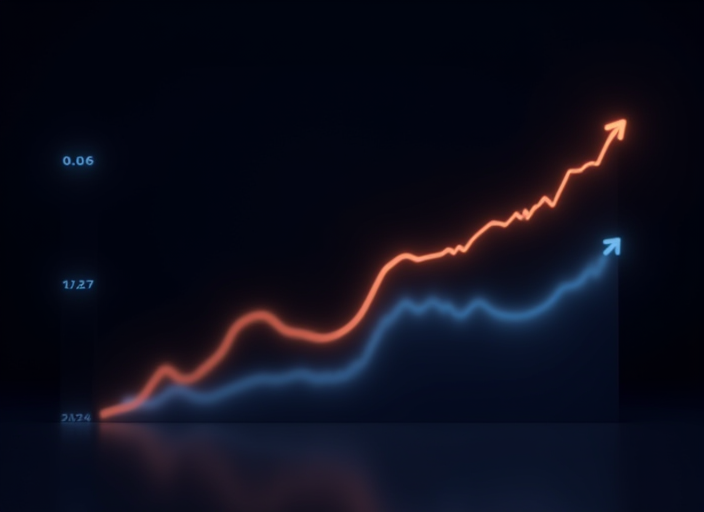
Why Did the ETH/BTC Ratio Hit a 10-Month Low? Unpacking the Flow Behind It
The ETH/BTC ratio dropped to 0.027 by late May 2026 — a 10-month low. It isn't a simple correction. It's the combined effect of institutional concentration in BTC, ETH application-layer narrative dispersion, and a different ETF flow structure. This piece unpacks each of the three forces and offers a lens for reading the chart.

Why Has the 2026 Altseason Kept Failing to Show Up?
Bitcoin keeps printing new highs in 2026, yet the classic altseason has not arrived — BTC dominance stays above 55% and long-tail tokens never broke out the way they did in 2017 or 2021. This article unpacks four structural reasons for the delay, covering institutional capital distribution, how ETFs reshaped the market center, the unusual memecoin energy drain, and changes in retail behavior.
How to Use RSI and MACD: Crypto Technical Analysis for Beginners
Want to read those two lines under the candlestick chart? Start with RSI and MACD. This piece covers their definitions, parameters, how they behave in crypto, useful combinations, and the common misuses, so you can pick up the tools knowing what they actually do.

What Is BTC Dominance? Using It to Read Market Phases
BTC dominance is bitcoin's market cap as a share of the entire crypto market. This piece covers how it's calculated, the historical turning points, what rising and falling readings actually mean, how it relates to altcoin seasons, and the limits you need to respect when using it.
)
What Is the Fear and Greed Index? Crypto Market Sentiment, Decoded
At maximum greed the index often marks a top; at maximum fear it often marks a bottom. This article breaks down the five factors behind the crypto Fear and Greed Index, how to read it, what historical extremes looked like, and where its limits actually sit.

How to Think About Altcoin Season: The Logic Behind Capital Rotation
When BTC dominance slides from 60% toward 40%, an altcoin season is usually on the way. This guide covers the definition, historical patterns, capital rotation logic, and survival rules.

How to Read Crypto Markets? An Intro to Bull-Bear Cycles and Price Analysis
From bull-bear cycles, fundamentals and technicals, and common indicators to beginner pitfalls—build a basic framework for reading crypto markets in one article.