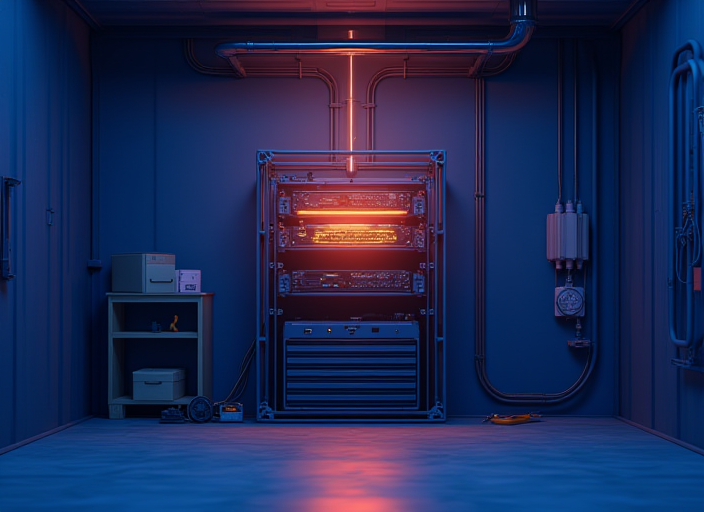
Can You Still Make Money With a Home Mining Rig in 2026? A Reality Check
People still mine Bitcoin at home in 2026, but far fewer than five years ago. This reality check answers the core question — does it still pay — by unpacking the variables that actually decide it: electricity cost, generation gap of the hardware, pool fees, halving cycle, noise and heat. Then it answers who is still suited to home mining in 2026 and who is not.

Is Renting Your GPU to AI Through DePIN Really Beating Mining in 2026?
When RNDR, Akash, and io.net let you rent that same RTX 4090 to AI workloads, how much more does it really pay than mining Kaspa or Ergo? This piece uses live May 2026 numbers to put rent, electricity, utilization, and idle penalties on one page.
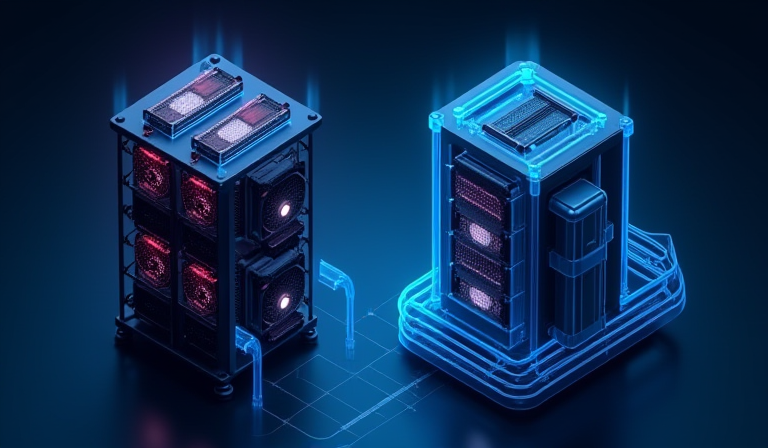
Is Liquid Cooling Really a Must-Have for Mining in 2026? The Economics of Heat and Lifespan
Liquid cooling has been pitched as the 2026 default, but is an 11,800 USD S23 Hydro really better than an 8,000 USD air-cooled S21 Pro? This piece lines up thermal efficiency, rack density, power savings, lifespan, and deployment overhead so you can tell revolution from marketing.
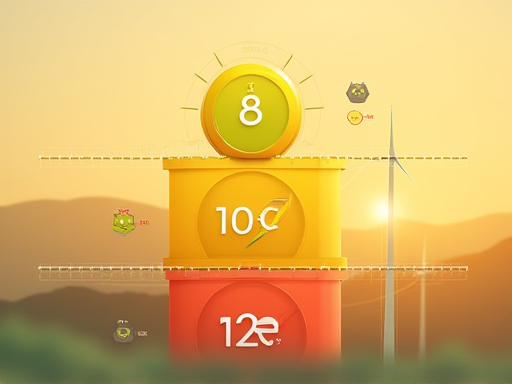
Below What Electricity Rate Can Home Mining Still Profit in 2026? Three-Tier Thresholds
Where exactly is the breakeven line for home mining in 2026? This piece runs current ASIC and GPU rigs at three tiers (8, 10, 12 cents per kWh) against live May 2026 prices, presenting daily net, yearly net, and payback so you can read your own meter at a glance.

Solo Mining vs Pool Mining in 2026: Which One Is Actually Worth It?
Is solo mining Bitcoin still a real path? This piece runs the exact math on jackpot probability, pool revenue, variance curves, psychology, and taxes, so that small operators in 2026 know which odds curve they actually stand on.
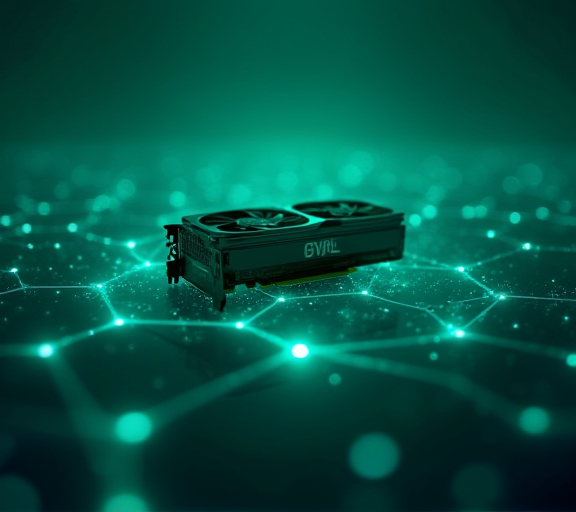
Is GPU Mining Kaspa Still Worth It in 2026? A Full Economics Breakdown
Three years after the Ethereum merge, kHeavyHash on Kaspa is still one of the largest homes for home GPUs. An RTX 4070 now pushes 8 MH/W. How many KAS does that actually produce per day? This piece uses live May 2026 numbers to put hardware, pools, price, and power on one page.
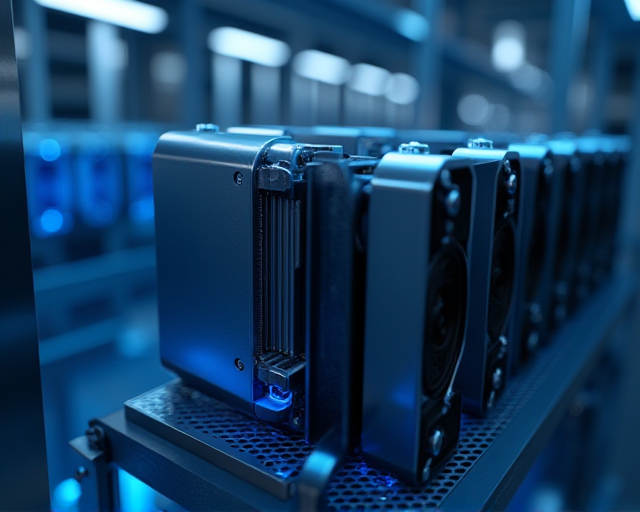
Antminer S23 Hydro 2026 ROI Deep Dive: Does It Pay Off Between 8 and 11 Cents per kWh?
Bitmain's S23 Hydro has become the workhorse of mid-sized North American mining farms in 2026. This piece pushes the real spec sheet (580 TH/s, 5800 W, 11800 USD) through static, dynamic, and stress payback models at four electricity tiers.
How to Choose a Bitcoin Mining Pool: A Side-by-Side Look at the Big Players
Why do nearly all solo miners join a pool? This guide opens up the mechanics, compares Foundry, AntPool, F2Pool, ViaBTC and others, and explains PPS, FPPS, and PPLNS payouts in plain terms.
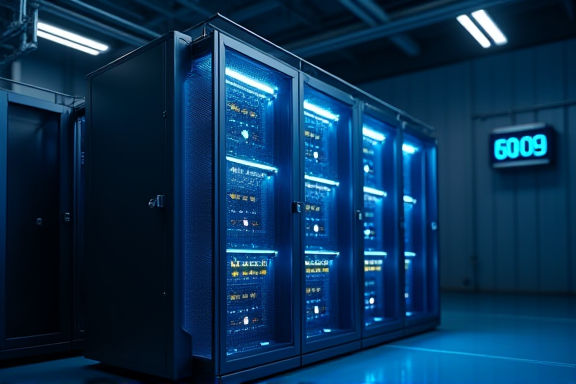
How Do You Calculate Bitcoin Mining Electricity Cost? Real Numbers and Payback Periods
A modern mining rig burns about 80 kWh a day. At nine cents per kilowatt-hour that is already seven dollars before you have earned a single satoshi. This guide walks through the actual math, the electricity tiers, the payback timelines, and the hidden risks.
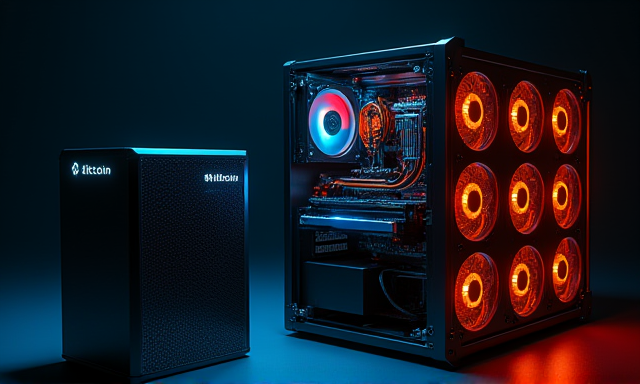
ASIC vs GPU Miners: What's the Real Difference Between the Two Mining Paths?
Specialized versus general — that one line captures the core split between ASIC and GPU miners. This article walks through how they work, what they mine, the energy and cost math, and the realistic options for individuals.

What Is Mining? Understanding Proof of Work and Hash Power
What are miners actually computing? How does proof of work keep Bitcoin secure? A clear explanation of mining mechanics, difficulty adjustment, and the energy-consumption debate.