
Renting Your Home GPU to AI Companies in 2026 — Can You Actually Make Money?
The pitch "rent your home GPU to AI companies" has been repeated for years by DePIN projects like RNDR, Akash and io.net. This article breaks down the real 2026 economics — how much an RTX 4090, 5090 or A6000 earns per month, what remains after electricity and depreciation, when you lose money, and whether you should just sell the card.

Can an AI Agent Actually Trade Onchain on My Behalf? Status and Boundaries
In 2026 AI agents trading onchain have moved from concept to usable prototypes, but there's a sharp boundary between "executing the plan you wrote" and "making the decision for you". This piece maps what agents can really do today, where they're shaky, and what they shouldn't be doing — plus the boundary questions you need answered before connecting one to your funds.
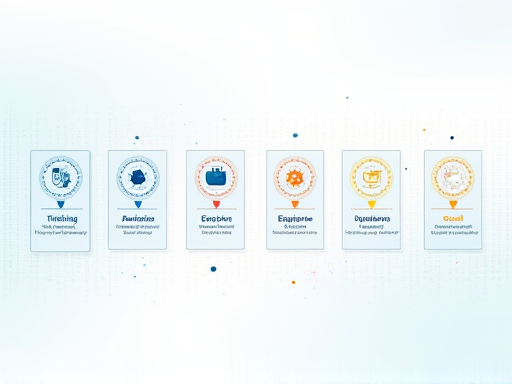
AI Agent Frameworks for On-Chain Trading in 2026
From 2025 into 2026, on-chain AI agents stopped being "tweet-only mascots" and started actually executing trades, looping strategies and evaluating their own performance. This piece compares six AI agent frameworks worth taking seriously, from architecture to real-world execution.
AI Tokens or AI Apps in 2026 — Where Should You Place the Bet?
By 2026 the AI crypto category has clearly bifurcated. On one side sit TAO, FET, AGIX, Virtuals, io.net and other "AI tokens". On the other side sit real AI products earning real revenue. The logic, valuation and risk are completely different. This article compares the two paths and offers a concrete 2026 allocation framework.
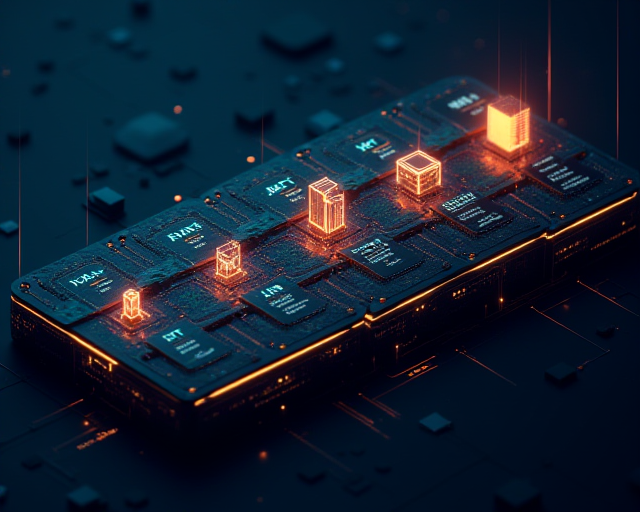
Which AI Crypto Tokens Actually Matter in 2026? Six Leaders on One Map
The 2026 AI crypto sector has finished a brutal reshuffle, leaving TAO, RNDR, FET, AKT, Virtuals, and Grass as de facto leaders in distinct sub-lanes. This piece pins all six on the same map and walks through each one with its own logic so you can build a real AI crypto watchlist.

What Is the Grass Network, and How Much Token Can You Actually Earn Sharing Bandwidth for AI?
In 2026 AI training's hunger for fresh high-quality web data pushed Grass to the front of the DePIN lane — it lets regular users share idle bandwidth to participate in AI data collection in exchange for GRASS tokens. This piece walks through how it works, realistic earnings expectations, and the risks people often skip.

What Is Virtuals Protocol? Why It Became 2026's Fastest-Moving AI Crypto Project
Virtuals Protocol turned into the fastest-growing AI crypto project by early 2026. It doesn't build models or GPUs — it tokenizes AI agents so each agent has its own market. This piece unpacks the mechanics, why it ran, the risks, and how to slot it into an AI portfolio.

What Is Bittensor TAO? A Decentralized AI Chain and Its Token Mechanism
Bittensor tries to reward AI models for their contributions using tokens. Here's how the TAO chain's subnet mining and token economics work, how it differs from traditional AI, and the risks.

AI Crypto Tokens in 2025: A Map of TAO, Render, Fetch, Worldcoin and More
AI crypto's total market cap briefly broke $40 billion in 2024. Here are the sector's main verticals, representative projects, investment logic, common traps, and how it differs from AI stocks.

What Are AI Agents? The Logic and Risks of Autonomous On-Chain Agents
AI agents can autonomously make decisions and execute transactions on-chain. Here's how they differ from chatbots, their use cases, why they pair with crypto, and the real-vs-hype risks.

Where AI Meets Crypto: AI Coins, Agents, and Real Value
What does combining AI with blockchain actually produce? Which use cases are real demand and which are just riding the hype? Here's a clear breakdown of the logic and risks behind AI coins.