Farcaster vs Lens 2026: Which On-Chain Social Network Should You Pick?
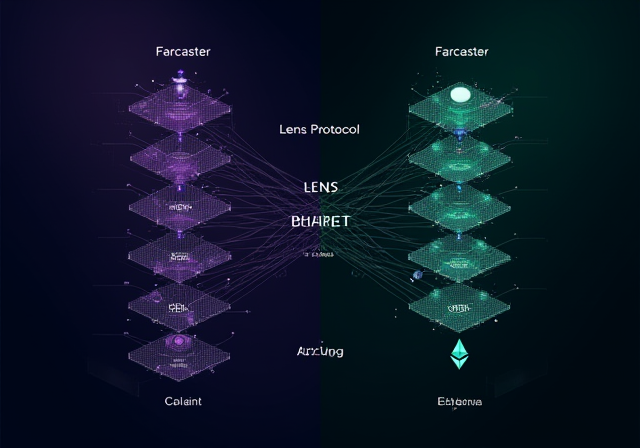
The on-chain social space filtered hard between 2024 and 2026. Of the dozen-plus protocols launched, only two reached scale: Farcaster and Lens Protocol. Both call themselves decentralized social protocols, but architecture, user mix and monetization differ sharply. This post snapshots both as of May 2026 and answers: if you are starting on-chain social today, which one should you pick?
No lazy “both are good” conclusion. By the end you should pick one for your specific use and start immediately.
Fundamental architecture differences
Settle this layer first, because every UX difference downstream comes from here.
| Dimension | Farcaster | Lens Protocol |
|---|---|---|
| Data storage | Hubs (P2P node network) | Lens Chain (zkSync-based appchain) |
| Identity | FID + username namespace | NFT-based Profile (LensProfile) |
| Follow graph | Off-chain event stream | On-chain NFT (Follow NFT) |
| Content storage | Hub local + Snapchain | Arweave / IPFS + Lens Chain |
| Post cost | Effectively zero | About 0.001 to 0.003 USD |
Farcaster’s design philosophy is minimum on-chain: only identity and keys (things that must be tamper-resistant) live on chain, content flows through the Hub network. Lens takes the opposite extreme. Relationships and content go on chain wherever possible, paid for by an appchain that supports high-frequency writes.
Two consequences flow directly from this:
- Farcaster is cheaper at scale, but censorship resistance depends on Hub diversity.
- Lens offers stronger composability (any contract can read your follow graph), at the cost of higher per-action cost.
User activity, May 2026
The raw numbers:
- Farcaster monthly active addresses: about 780K
- Lens monthly active addresses: about 190K
- Farcaster daily new Casts: about 2.4M
- Lens daily new Posts: about 180K
- Farcaster top accounts (>10k followers): about 2,300
- Lens top accounts (>10k followers): about 720
Farcaster leads in scale by roughly 4x. That gap opened up from mid-2024, with Frames being the inflection point.
Lens claws back one metric: per-user engagement frequency. Lens users post (including Mirror/Quote) 1.4x as often per day on average. Core users are heavier, but total scale is smaller.
Monetization paths
Probably what most readers care about.
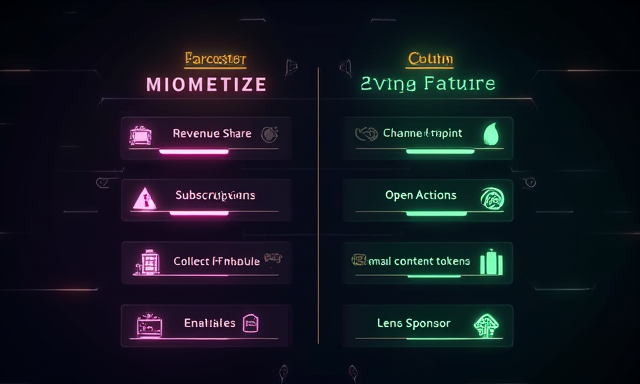
Farcaster stack:
- Frames v2: any dApp embeds into a Cast, authors share frame view revenue
- Subscriptions: Substack-style, launched Q1 2026
- Channel Tipping: tip with tribe tokens like $DEGEN and $HIGHER
- Airdrop accumulation: many native projects weight airdrops by cast count
Lens stack:
- Collect Module: every post can carry a mint price, fans collecting the NFT pays the creator
- Open Actions: any contract attaches to a post (paid follow, donation)
- Bonsai content tokens: high-engagement posts auto-mint a token
- Lens Sponsor: Patreon-style on-chain sponsorship
Short framing: Farcaster leans traffic revenue sharing, Lens leans content asset issuance. Lens has higher ceiling on a single viral post (NFT mint plus royalties), Farcaster offers predictable steady income (tips plus airdrop weight).
Privacy and composability
A rarely discussed axis that started mattering in 2026.
Farcaster’s follow graph is not directly on chain, which means a third-party app must query a Hub to read your social graph. For privacy-sensitive users (developers still employed at big companies, say), this is an advantage. Your relationship network is harder for on-chain indexers to scrape wholesale.
Lens follows are ERC-721 NFTs, readable permissionlessly by any contract. This is a huge advantage for composable apps (credit scoring, airdrop weighting, on-chain reputation). The same LensProfile can be referenced simultaneously by DeFi, GameFi and SocialFi without re-authorization.
My quick framing:
- If you value “I don’t want my relationship graph readable by any app”, pick Farcaster.
- If you plan to use social identity as an entry point into DeFi and GameFi, pick Lens.
This choice ties directly to your view on on-chain social graphs; reading that piece alongside this one helps a lot.
Ecosystem depth
Both have hundreds of apps; the high-frequency ones differ.
Farcaster (by May DAU):
- Warpcast (official client)
- Yup (cross-platform aggregator)
- Paragraph (long-form)
- Bountycaster (bounties)
- Drakula (short video)
Lens:
- Hey (formerly Lenster, dominant client)
- Buttrfly (mobile-first)
- Bonsai (content tokens)
- Phaver (Lens-compatible)
- Orb (creator subscriptions)
Farcaster’s ecosystem is more crypto-native: engineers, protocol teams, airdrop hunters. Lens is more creator-native, with a higher share of artists. This persona difference matters more than features.
Wallet and onboarding
The first step is where many people stall.
Onboarding Farcaster:
- Download the Warpcast app
- Email plus a one-time $5 registration fee (Coinbase wallet covers it)
- Pick a username (
@yourname) - Done
- Total time: about 5 minutes, no prior crypto holdings required
Onboarding Lens:
- Connect an EVM wallet (MetaMask/Rabby) at Lens.xyz
- Apply for a LensProfile NFT (currently free, queue of 1 to 3 days)
- Once minted, you can post
- Total time: 1 to 3 days on first attempt, requires EVM wallet familiarity
Farcaster’s flow is much closer to Web2 expectations, and is friendly to fresh users. Lens is fine for users already familiar with EVM wallets, but newcomers stall at the mint step.
My concrete recommendations
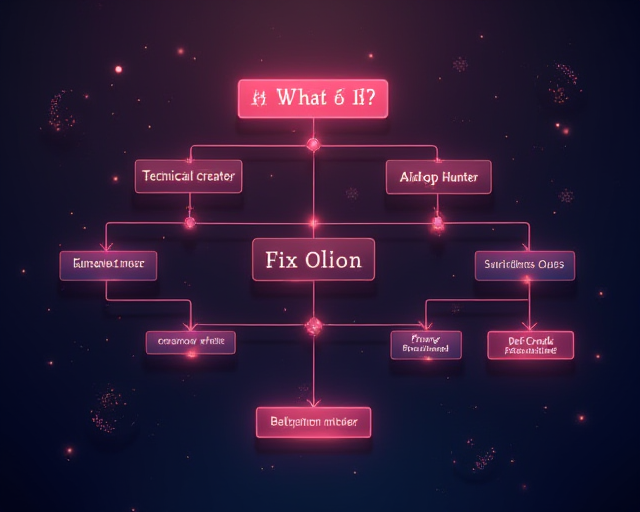
By typical user profile:
- Crypto-native technical creator: pick Farcaster. Frames make your content directly callable from contracts, linking traffic to engineering capability.
- Crossover artist or UGC creator: pick Lens. Collect Module secondary royalties are revenue Farcaster does not provide.
- Multi-account airdrop farmer: register both. Cultivate the Farcaster main account, register Lens with a clean EVM address.
- Privacy-conscious professional: Farcaster plus a burner ENS.
- Building on-chain DeFi credit products: Lens, because composability is a hard requirement.
If you are unclear on how ENS plays into both protocols, start with the ENS domain introduction. It explains why ENS plays a bigger role inside the Lens ecosystem than inside Farcaster.
What to watch in H2 2026
Three things to track:
- Whether Farcaster launches a native token. If so, the ecosystem gets revalued and airdrop expectation pulls in new users.
- Lens Chain mainnet timeline. Currently testnet; mainnet decides whether Lens carries the next wave.
- Cross-protocol social graph aggregation. A single ENS hosting both Farcaster and Lens identities becomes common, and single-protocol moats weaken.
My read: both protocols survive, but features keep diverging. Farcaster moves toward broader distribution, Lens toward deeper asset-layer social. Over the next 12 to 18 months the real question is not “who wins” but “which part of which one do I use”.
Concrete next step: register a main Farcaster account and a backup Lens account, lock in both identities now, shift weight later.