Which New Avalanche Subnets Are Going Live in 2026, From Sony to Gaming Chains?
In late 2024 Avalanche completed a major rename, turning the older subnet label into the unified Avalanche L1 framing. The rename was not just branding, it came packaged with mainnet validator authorization changes, Inter Chain Messaging (ICM) and built in subnet token structure upgrades. That made 2026 the batch launch window. Which new Avalanche subnets are going live in 2026? This piece is not just a list, it breaks down each chain’s real positioning and how it actually feeds AVAX value.
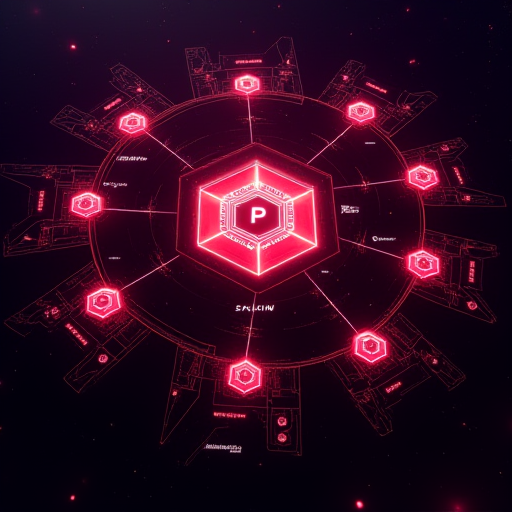
Quick Recap of the Subnet Mechanism
If unfamiliar, start with our what is an Avalanche subnet explainer. Short recap:
- Subnet equals independent L1, each subnet has its own validators, consensus rules and gas token.
- Coordinated by the P-chain, every subnet validator must register on the mainnet P-chain.
- 2024 upgrade key point, shifting from “must stake 2000 AVAX to validate a subnet” to a “pay by duration” model. Subnet cost dropped 80 percent plus.
- ICM (Inter Chain Messaging), native cross subnet calls, conceptually similar to IBC for Cosmos.
Once you get these four points, the 2026 deployment surge looks inevitable, not accidental. As of May 2026 there are 74 active subnets, up from 13 in early 2024, a 469 percent increase.
Representative New Subnets in 2026
Sorted by category. Only listing those already live or with a confirmed June launch, no rumors.
Enterprise and media
- Sony Soneium-Ava joint subnet, Sony collaborating with the Avalanche Foundation. Mainly for music IP tracking and fan tokens. Launched April 2026, daily actives around 120k.
- JPMorgan Onyx-Ava subnet, JPMorgan migrated parts of its internal Onyx chain to an Avalanche subnet for external settlement. Specifically runs institutional RWA.
- Deloitte Audit subnet, used by Deloitte for client audit data, fully permissioned.
Gaming
- Off The Grid, Gunzilla Games shooter, subnet peak TPS 12k, monthly active players 2.8 million. The most profitable Avalanche subnet in 2026.
- Shrapnel, competitive shooter, UX close to Steam titles, daily 180k.
- MapleStory N, Korean Nexon’s on chain MapleStory, mainnet launched in March, first week daily over 1 million.
- DeFi Kingdoms (Crystalvale), classic gameplay chain game, migrated to subnet architecture over a year ago, stable.
Finance and RWA
- Spruce subnet, BlackRock’s digital asset team uses it for RWA issuance. Assets include US treasuries, commercial paper and mortgages.
- Intain Markets subnet, tokenized private credit platform, cumulative on chain volume 1.4 billion USD.
- KKR Health subnet, KKR tracks medical private equity funds.
AI and new narratives
- OpenTrade AI subnet, on chain AI agent trading framework, EVM compatible with Avalanche, easy to call.
- Avalanche AI Validator Network, experimental subnet where validators themselves are AI agents. Still alpha.
List them out and the positioning is clear, Avalanche subnets do not chase Solana memecoins or Ethereum L2 DeFi, they target enterprise plus games plus compliant RWA.
Which Subnets Actually Have Users
A list is easy, but activity is the real test. May 2026 numbers:
| Subnet | Daily addresses | Daily tx | Native token cap |
|---|---|---|---|
| Off The Grid | 11k | 380k tx | No token |
| MapleStory N | 42k | 920k tx | Down 60% post launch |
| DeFi Kingdoms | 8k | 120k tx | 45M USD |
| Sony Soneium-Ava | 120k | 280k tx | No token |
| Spruce | Not public | Not public | No token |
| Intain Markets | 3k | 50k tx | No token |
| Shrapnel | 5k | 80k tx | 120M USD |
Reading observations:
- Game subnets have the most users, but few have proven business models. MapleStory N peaked at 1 million day one and fell to 40k by week three, a classic launch bump issue.
- Enterprise subnets are small in users but large in dollar volume. Spruce and KKR do not publish, but BlackRock disclosed BUIDL’s Avalanche allocation around 800 million USD.
- No token means no market hype, but operationally the subnet runs fine.
Read our BlackRock BUIDL explainer to understand why institutions pick Avalanche subnets for RWA.
Does Subnet Activity Translate to AVAX Value
The most asked question, subnet count tripled, why did AVAX not triple?
Four reasons:
One, subnets do not have to use AVAX for gas
- Each subnet picks its own gas token, many enterprise chains pick stablecoins for billing, unrelated to AVAX.
- Exact same dilemma as Cosmos ATOM.
Two, validator authorization fees are paid monthly
- Under the “pay by duration” model, subnets pay mainnet a fee each month, but this fee does not burn AVAX directly.
- Validators sell AVAX to cover operating costs, adding sell pressure.
Three, ICM cross subnet calls do not charge AVAX
- In theory the mainnet is the cross subnet coordinator, in practice ICM does not require AVAX involvement.
Four, AVAX supply keeps growing
- AVAX inflation around 5 to 7 percent, no burn mechanism like Ethereum has.
- Even if subnets bring demand, the increment must first offset inflation.
Stacking the four, Avalanche subnet boom equals network boom but not equal to AVAX token pump. It is a direct consequence of mechanism design. Can it change? Ava Labs floated a proposal in 2025 that “subnets must pay a portion of fees in AVAX and burn them”, but it is stuck in governance, not passed.
Comparing to Other Multi Chain Architectures
Avalanche’s position in the multi chain camp:
| Architecture | Token | Subchain/L2 count | Token value capture |
|---|---|---|---|
| Avalanche subnets | AVAX | 74 | Weak |
| Cosmos IBC | ATOM | 92 | Weak |
| Polkadot parachains | DOT | 47 | Medium |
| Ethereum L2 | ETH | 87 | Strong (via blob fees + restaking) |
| Bitcoin L2 | BTC | 12 | Weak |
The strongest token capture model is Ethereum L2 system, L2 must post blob data back to L1, so ETH consumption is guaranteed. Avalanche lacks this guaranteed consumption, so more subnets does not mean stronger AVAX.
This does not mean Avalanche picked wrong. Its target customers are enterprise plus games, who dislike “you must pay in some specific token”. Trading token capture for enterprise friendliness is a business choice.
Is the Lane Worth Participating In
By user type:
For developers
- Subnet creation cost dropped to 20k to 50k USD per year, lower than self building a true L1.
- If your project is compliant RWA, games or enterprise, Avalanche subnets are one of the most realistic 2026 choices.
For DeFi users
- Avalanche C-Chain DeFi like Trader Joe and Benqi still runs. But subnet ecosystem DeFi is not vibrant.
- For serious DeFi, go to Ethereum L2 or Solana.
For token investors
- The long term AVAX thesis must be seriously discounted, network boom does not transmit to the token.
- However, if the “subnets must pay AVAX fees and burn” governance result lands, that is a clear inflection signal.
- Watch fundamentals among subnet native tokens like Shrapnel’s SHRAP or Off The Grid, the opportunity may be more direct than AVAX itself.
Understanding the State of Avalanche Subnets Overall
The 2026 status fits one sentence, the mechanism reform delivered, engineering is shipping, but the token did not benefit from the reform dividend. Not necessarily a bad story, Avalanche chose a path that trades network for brand, long term it could become the standard enterprise web3 infrastructure. Short term AVAX token performance will stay decoupled from subnet deployment speed.
Once you read this mismatch correctly, almost every “multi chain plus shared mainnet” design has the same problem — technical progress does not equal token benefit. Avalanche is not the exception, just the latest example of the rule.